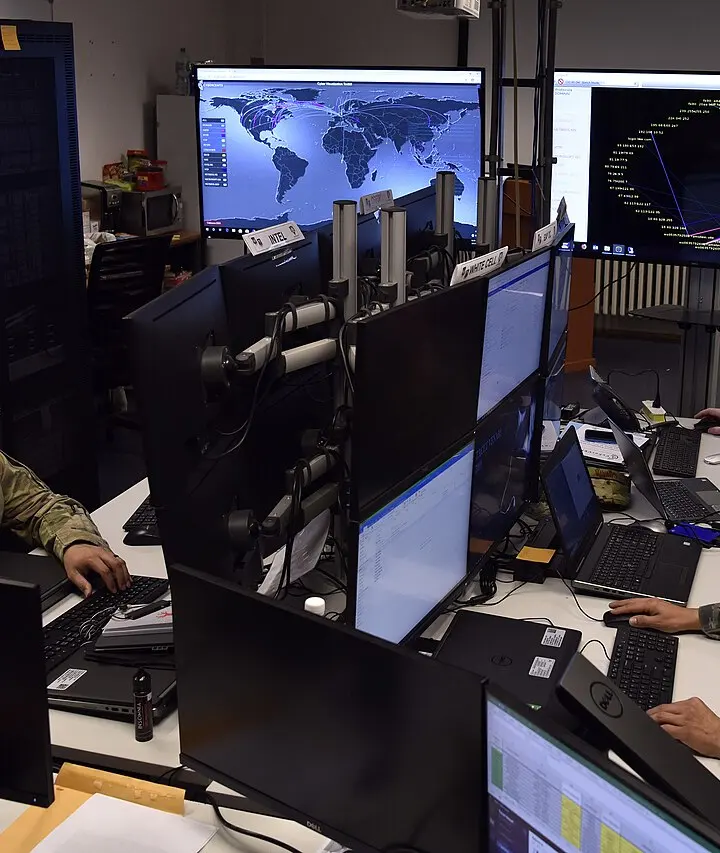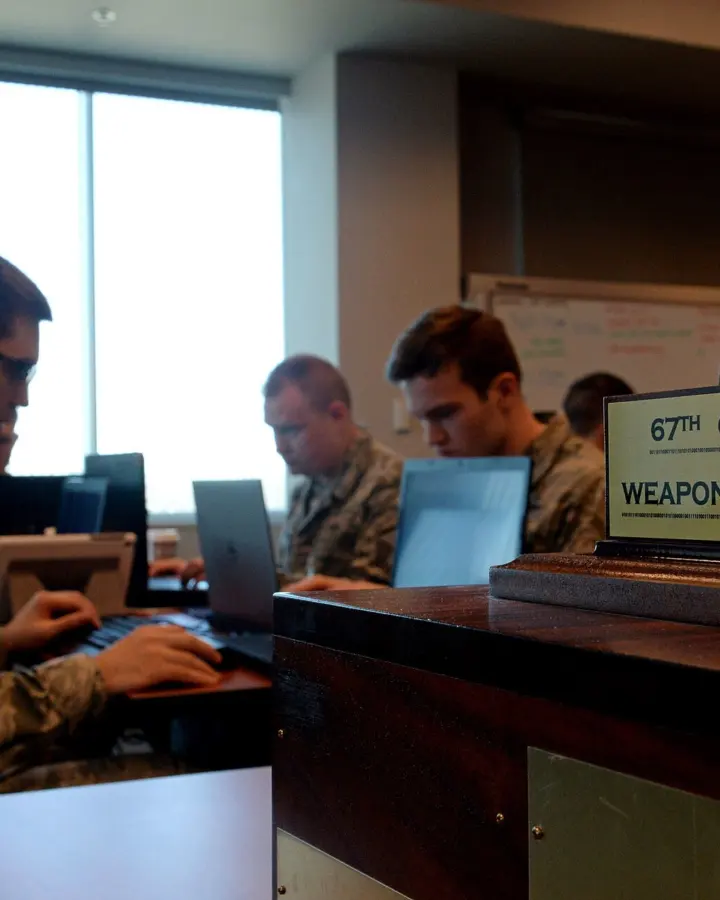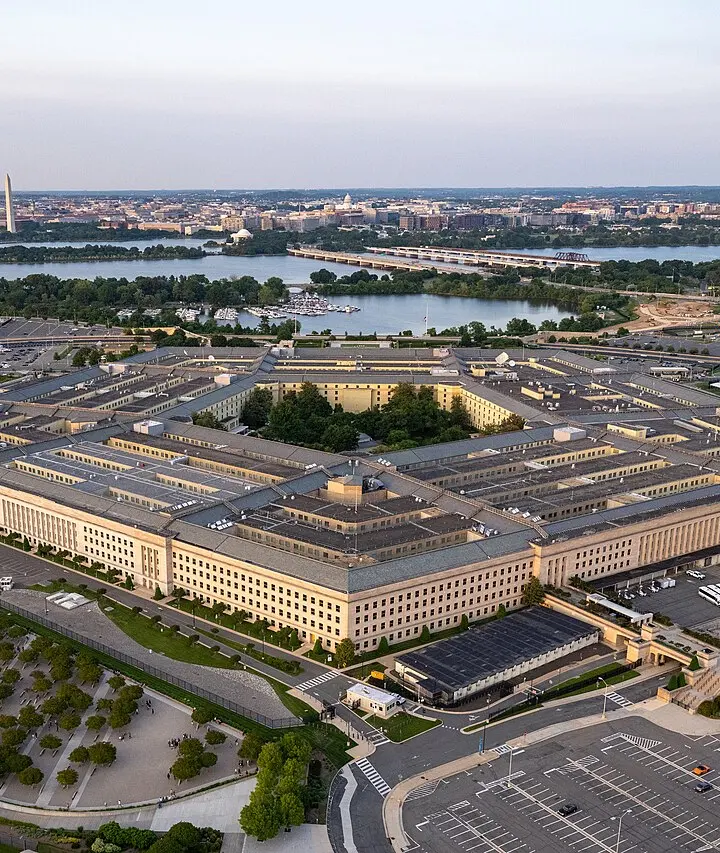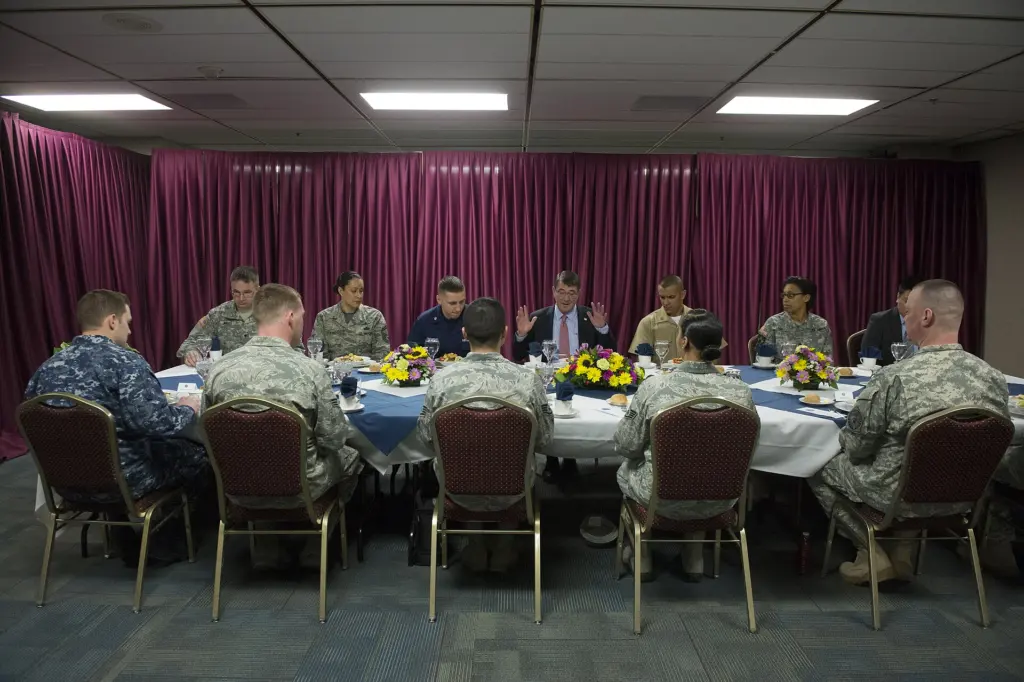
US Cyber Command (USCYBERCOM) is the US military’s unified combatant command for cyberspace, headquartered at Fort Meade, Maryland. Created in 2009 and elevated to full command status in 2018, it directs, synchronizes and coordinates cyberspace planning and operations.
This guide covers what the command does, how it was built, why it shares a commander with the National Security Agency (NSA), and how the services contribute forces. It is an independent explainer, not an official product of the command or the Department of Defense. For the wider event context, see the AFITC conference guide.
What US Cyber Command does
A Congressional Research Service (CRS) primer states the command’s mission as to “direct, synchronize, and coordinate cyberspace planning and operations”. The same primer places the headquarters at Fort George G. Meade in Maryland.
The CRS primer says the command draws its forces from the military services, which is why its structure, covered below, centers on service components. The Air Force’s part in it is explained in the guide to Sixteenth Air Force (Air Forces Cyber).
How the command was established
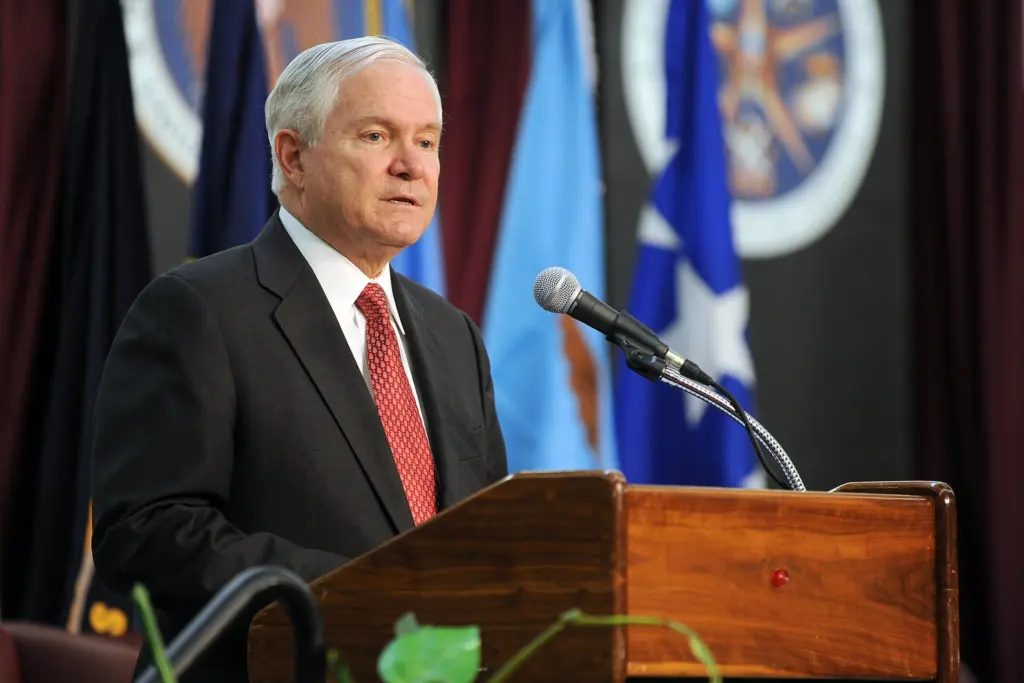
CRS records that the command was created in 2009 under US Strategic Command (STRATCOM): “On June 23, 2009, Robert Gates, then-Secretary of Defense (SECDEF), directed the creation of CYBERCOM.” Until 2018 it held the status of a subunified command, a point the Army’s own news service restates when describing the later elevation process.
Today the command carries the weight of a full combatant command, and the sections below trace how it got there: the 2016 authorization, the 2017 decision, the 2018 elevation and the question of who should lead both the command and the NSA.
Elevation to a unified combatant command
CRS says that Congress authorized establishing the command as a unified combatant command in 2016, and the first Trump Administration directed the change in 2017. Nextgov reported that the White House announced the elevation on Aug. 18, 2017, saying it would streamline command and control of time-sensitive cyberspace operations.
The elevation took effect on May 4, 2018, the same day Army Gen. Paul Nakasone succeeded Navy Adm. Michael Rogers as commander, according to the command’s published history. A Reuters report carried by iTnews said the change put the command on a par with nine other US warfighting commands for the first time. Deputy Defense Secretary Patrick Shanahan called it “an acknowledgement that this new warfighting domain has come of age.”
The practical effect, as the Defense Department described it in 2017, was that the elevated commander would report directly to the secretary of defense and hold status equal to other combatant commanders, according to the Army’s account of the decision.
The dual-hat arrangement with the NSA
The commander of US Cyber Command also leads the NSA. The CRS primer states that the commander “is dual-hatted” and serves as Director of the NSA. The arrangement has been reviewed more than once. CRS reports that a 2022 study sponsored by the Secretary of Defense and the Director of National Intelligence found that splitting the leadership would make protecting national security “more costly and less decisive”, and the arrangement was kept.
The elevation did not end the arrangement. At the 2017 announcement, the White House said Defense Secretary Jim Mattis was examining whether to separate the two, and Sen. John McCain welcomed the decision to defer a split, saying the two organizations should eventually be able to operate independently, per Nextgov. When Nakasone took command in May 2018, he also became NSA director, succeeding Rogers, who had come to the NSA in 2014, per the same-week report.
Service components
The CRS primer lists four service components that provide forces to the command.
| Service | Component |
|---|---|
| Army | Army Cyber Command |
| Navy | US Fleet Cyber Command |
| Marine Corps | Marine Forces Cyberspace Command |
| Air Force | Air Forces Cyber / Sixteenth Air Force |
Source: the CRS Defense Primer on US Cyber Command.
For the Air Force, the component is Sixteenth Air Force. The officer named in 2019 to lead it, then-Maj. Gen. Timothy Haugh, had previously directed the Cyber National Mission Force at US Cyber Command, Nextgov reported. The Cyber National Mission Force is one of the command’s own subordinate unified commands, per CRS, so the appointment shows how leaders move between a service component and the joint command.
The Cyber Mission Force and funding
CRS describes the Cyber Mission Force (CMF) as the command’s operational arm. When elevation began in 2017, the Army reported that the force was expected to be complete by the end of fiscal year 2018, with almost 6,200 personnel organized into 133 teams. The command’s history records that all 133 teams reached initial operational capability in 2016 and full operational capability in 2018, with about 5,000 military and civilian personnel at the time of that announcement.
For fiscal year 2025, CRS reports that Congress provided the command $1.6 billion for operations and maintenance, $109.7 million for procurement and $1.0 billion for research, development, test and evaluation.
Where US Cyber Command comes up at events
Cyberspace command structure is a regular topic at defense cyber events, where service and joint speakers explain how forces are presented to the command. The guide to cyberpower and Air Force cyberspace doctrine explains the vocabulary those sessions use, and the overview of government cybersecurity conferences lists where such briefings happen. The AFITC event in Montgomery, Alabama is covered in the conference guide, and the wider set of agencies, rules and careers is mapped in the guide to defense cybersecurity.
Frequently asked questions
When was US Cyber Command created?
Per CRS, Secretary of Defense Robert Gates directed its creation on June 23, 2009, under US Strategic Command.
When did it become a unified combatant command?
On May 4, 2018, per the command’s history, after Congress authorized it in 2016 and the White House announced it in August 2017.
Is the commander also the NSA director?
Yes. The CRS primer says the commander is dual-hatted and also serves as Director of the National Security Agency.
Where is US Cyber Command headquartered?
At Fort George G. Meade, Maryland, according to the CRS primer.
Which services contribute components?
The Army, Navy, Marine Corps and Air Force each contribute a component, as listed in the table above.
Photo credits: DoD photo by Petty Officer 2nd Class Sean Hurt (Public domain (US Government work)); Cherie Cullen, US Department of Defense (Public domain (US Government work)).